

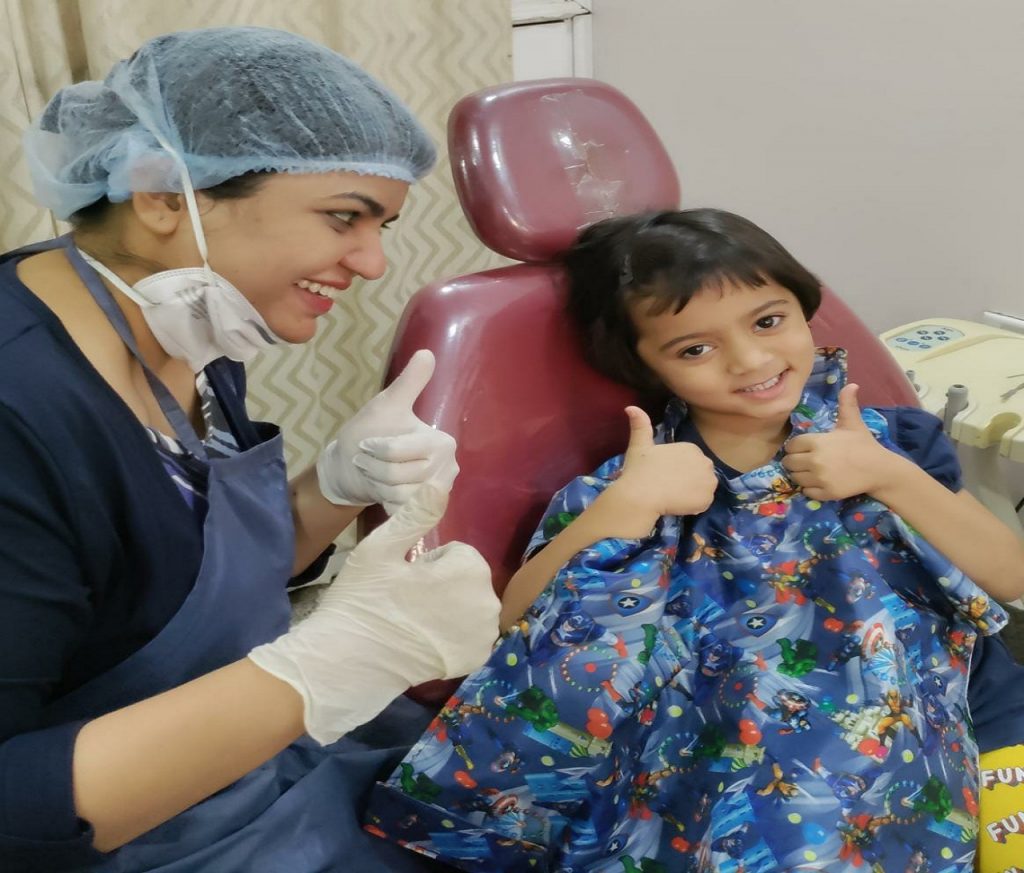
Pediatric Dental Care
Proper care of your child’s teeth and gums includes brushing and rinsing daily. It also requires routine dental exams and necessary treatments such as fluoride, sealants, extractions, fillings, or braces and orthodontics. Healthy teeth and gums are essential for your child’s overall health. Injured, diseased, or poorly developed teeth can lead to:
- Poor nutrition
- Painful and dangerous infections
- Problems with speech development
- Problems with facial and jaw bone development
- Poor self-image
- A bad bite
Caring for an Infant’s Teeth
Even though newborns and infants do not have teeth, caring for their mouth and gums is important. Follow these tips:
- Use a damp washcloth to wipe your infant’s gums after each meal.
- Do not put your infant or young child to bed with a bottle of milk, juice, or sugar water. Only use water for bedtime bottles.
- Start using a soft toothbrush once the first tooth appears (between 5–8 months).
- Ask your child’s healthcare provider if your infant needs oral fluoride.
The First Trip to the Dentist
Your child’s first visit to the dentist should be between the appearance of the first tooth and before all primary teeth are visible (before 2½ years). Many dentists recommend a “trial” visit to help your child get used to the sights, sounds, and environment of the dental office. Children who are familiar with daily gum wiping and tooth brushing are more comfortable during their dental visit.
Caring for a Child’s Teeth
- Brush your child’s teeth and gums at least twice daily, especially before bed.
- Let children practice brushing, but you should supervise and do the actual cleaning.
- Take your child for a dental checkup every 6 months.
- Inform the dentist if your child sucks their thumb or breathes through their mouth.
- Teach your child to play safely and what to do if a tooth gets broken or knocked out.
- Once your child has teeth, they should begin flossing every night.
- Your child may need orthodontic treatment to prevent long-term dental problems.